
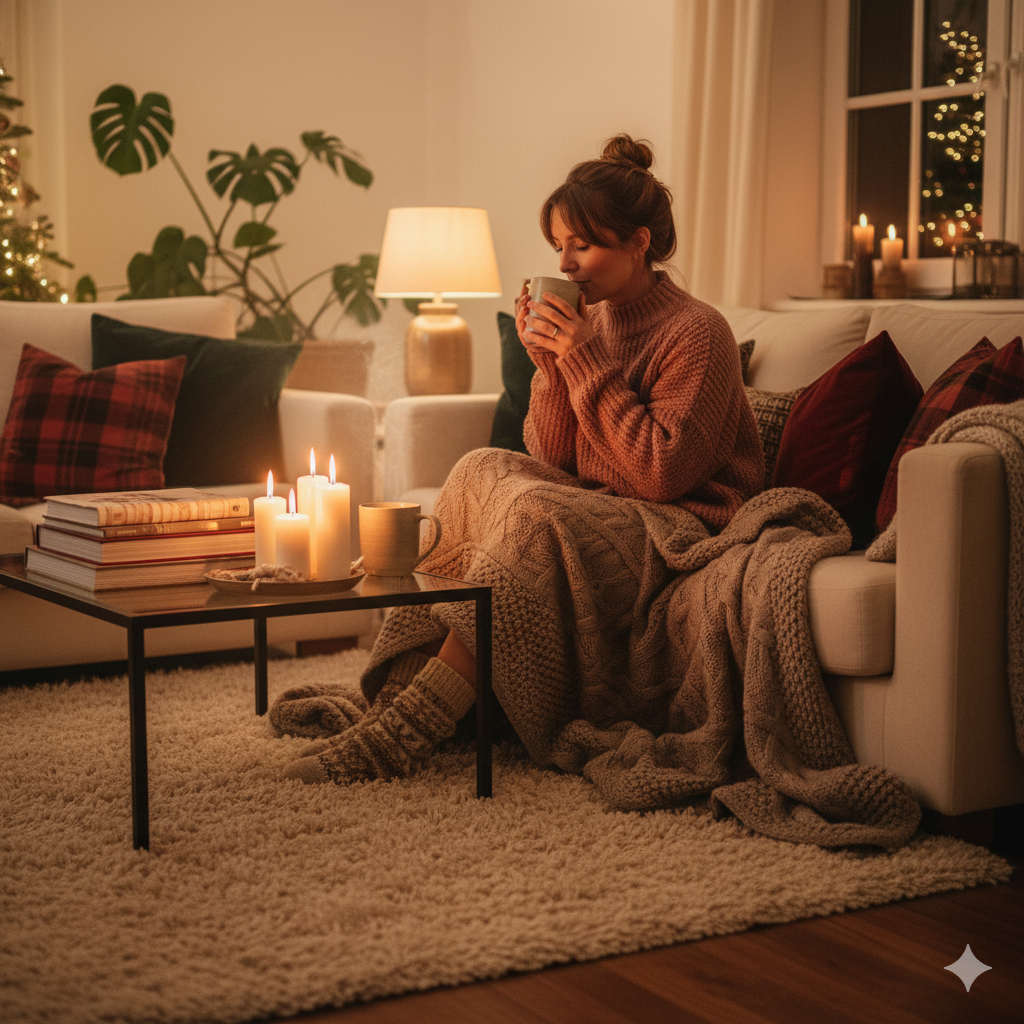
As the days shorten, the temperatures drop, and the world outside turns crisp and often grey, there’s an undeniable longing to retreat into the warmth and comfort of our homes. The living room, often the heart of our domestic spaces, becomes a focal point for relaxation, family gatherings, and quiet contemplation during these colder months. It’s more than just a place; it’s a feeling. And transforming it into a winter haven of warmth and welcome doesn’t require a complete overhaul or a massive budget—it requires a strategic focus on texture, light, and sensory details.
This comprehensive guide will walk you through a detailed strategy to infuse your living room with the spirit of the season. We’ll explore how to layer warmth, master illumination, and engage all your senses to create a sanctuary that feels both seasonally appropriate and uniquely yours.
Chapter 1: Setting the Foundation – The Canvas of Comfort
The most effective winter transformation starts with a clean slate and a strategic approach to the room’s main components.
1.1 Declutter and Reset: The Winter Cleanse
Winter decor thrives on a sense of calm and order. Begin by thoroughly decluttering your living room. Remove anything that feels overtly summery or light—bright floral prints, airy linen throws, or purely decorative beach items. A clean slate allows your winter additions to truly shine and prevents the space from feeling overwhelmed by too many layers.
- Tip: Use this opportunity to clean behind furniture, dust forgotten corners, and wash windows. A truly fresh, organized space amplifies the feeling of coziness.
1.2 Rethink Your Layout: The Art of Proximity
Winter calls for intimacy. Adjust your furniture layout to promote closeness and warmth. If your sofas are pushed against walls, try pulling them slightly closer, creating a more defined, insulated conversation area. Angle armchairs towards the room’s heat source, whether that’s a fireplace, a large window, or simply the center of the gathering space.
- Tip: If you have an unused corner, consider creating a cozy reading nook. A comfortable armchair, a floor lamp with a warm bulb, and a small side table are all you need to establish a dedicated retreat.
1.3 Embracing a Winter Color Palette
While you may not repaint, you can dramatically shift the room’s mood by adjusting the color balance through accessories.
- Warm Neutrals: Focus on tones like taupe, oatmeal, deep cream, chestnut brown, and camel. These colors are visually warm and create an immediate sense of comfort.
- Jewel Tones & Depth: To add a luxurious layer, introduce deep, moody colors like emerald green, sapphire blue, burgundy, or burnt orange. These colors absorb light, making the room feel more enclosed and cozy—perfect for winter evenings.
- Cool Accents: Incorporate subtle hints of cool winter colors—icy gray, metallic silver, or pale blue—to evoke the crispness of the season, balancing the warmth without sacrificing comfort.
Chapter 2: Textural Treasures – Layering for Substantial Warmth
Texture is the single most important element in winter decorating. It’s the visual and physical representation of warmth. Focus on layering textiles with substantial weight and depth.
2.1 The Blanket Bonanza: Throws Galore!
Layering various throws over your furniture is the easiest and most impactful way to inject immediate, tactile comfort. This area offers endless opportunity for detail and luxury.
- Chunky Knits: A thick, cable-knit or basket-weave wool throw immediately suggests warmth. Place these over the back of the sofa, ready to be pulled up.
- Faux Fur & Shearling: These materials are the epitome of winter luxury and coziness. Use them as an accent throw folded over an armchair or draped across a bench. The differing pile lengths add immediate visual interest and depth.
- Velvet: A velvet throw or quilt introduces a rich, light-absorbing texture that looks expensive and feels incredibly soft. It’s perfect for the jewel-toned palette.
- Heavy Linen and Cotton: Ensure any natural fiber throws are heavy and perhaps brushed or waffle-woven, giving them more weight than their summer counterparts.
- Tip: Don’t just fold them; drape them! The visual imperfection of a casually tossed throw makes the room look lived-in and inviting. Keep a designated, oversized basket nearby for easy tidying and display of extra throws.
2.2 Pillow Talk: Plush and Plentiful
Swap out lighter, smoother pillow covers for those with more substantial texture. Aim for a mix of materials to create a truly layered look.
- Materials to Swap In: Velvet, nubby wool, boucle, chunky knit, or textured linen. Avoid the smooth, flat cottons of summer.
- Fill Power: Ensure your pillows have a plush, overstuffed feel. Down or down-alternative inserts create a soft, inviting squishiness that looks and feels comfortable. A deflated, limp pillow ruins the cozy effect.
- Pattern Play: This is where you can introduce subtle seasonal patterns like tartan or plaid (classic without being overly Christmassy), or simple geometric patterns in deep colors.
2.3 Grounding the Room: Rugs
If your living room has hard flooring (wood, tile, or concrete), a plush rug is essential for both insulation and comfort.
- Layering: If you already have a large rug, consider layering a smaller, softer rug on top—perhaps a natural sheepskin or a faux fur rug placed diagonally under the coffee table or an armchair. This creates a luxurious softness for your feet.
- Weight: Choose rugs with a deeper pile and rich texture, such as shaggy wool or heavy-duty woven rugs, to absorb sound and insulate the floor.
Chapter 3: The Illumination Strategy – Mastering the Winter Glow
In winter, daylight is scarce. Your lighting should work overtime to compensate, replacing cold brightness with warm, multi-level illumination. The goal is to eliminate harsh overhead lighting in favor of ambient, intimate light sources.
3.1 The Magic of Multi-Level Lighting
Good lighting is a three-tiered system: ambient (general light), task (reading light), and accent (decorative light). In winter, you need all three to work together.
- Ambient: Use dimmable overhead lights set at a warm temperature (2700K or lower). Keep them low in the evening to set a mood.
- Task: Introduce floor lamps next to reading chairs and table lamps on side tables. These pools of light create cozy, defined zones. A brass or bronze base will amplify the warmth.
- Accent: Use spotlights to highlight artwork, or place small battery-operated fairy lights inside a glass cloche or vase for a sparkling, decorative touch.
3.2 Temperature is Key: The Warm Bulb Rule
The color temperature of your light bulbs dictates the feeling of the room. Switch out any cool, daylight bulbs (5000K+) for soft white or warm white bulbs (2200K–2700K). This lower color temperature emits a soft, amber, yellow light that mimics firelight and candlelight, instantly making the room feel cozier and more inviting.
3.3 The Real Deal: Candles and Firelight
Nothing can replace the ambiance of actual flame.
- Fireplace Focus: If you have a fireplace, clean the hearth, stack decorative firewood, and use it as much as possible. Even a simple iron grate or tool set can add to the aesthetic.
- Candle Clusters: Group candles in varying heights on the coffee table, a mantelpiece, or a shelf. Use pillar candles, tapered candles in classic holders, or votives.
- Safety Tip: If real flame isn’t practical, high-quality, battery-operated LED candles with a realistic flicker and wax shell are excellent, safe alternatives that still provide a comforting glow.
Chapter 4: Sensory Immersion – Engaging Scent and Sound
A truly successful winter room appeals to more than just sight and touch—it creates an atmosphere that envelops you completely.
4.1 The Power of Scent
Scent is powerfully tied to memory and comfort. Swap out light, airy summer fragrances (citrus, ocean breeze) for deep, complex winter aromas.
- Classic Winter Aromas: Think cedar, pine, fir, frankincense, myrrh, cinnamon, clove, ginger, and smoked vanilla.
- Delivery Systems:
- Candles: Scented candles combine light and fragrance.
- Diffusers: An essential oil diffuser allows for continuous scent.
- Simmer Pot: A pot of water simmering on the stove with orange slices, cinnamon sticks, and pine sprigs is a natural, low-cost way to fill the entire home with a natural winter fragrance.
4.2 Incorporating Natural Elements
Bring the winter landscape indoors, which helps ground the room and provides a simple, organic texture.
- Wood: Display small stacks of firewood near the hearth, or use a rustic wooden bowl to hold accents.
- Evergreens: Use small sprigs of pine, cedar, or cypress tucked into vases, laid across a mantel, or woven into centerpieces. They add texture and a subtle, refreshing scent.
- Found Objects: Gathered pinecones, smooth river stones, or dried moss can be arranged in glass jars or bowls for a simple, natural decoration.
4.3 Auditory Comfort: The Soundscape
Consider what you hear in your living room and how it contributes to the sense of calm.
- Silence: Start by reducing noise. Sound-dampening textiles like heavy drapes, thick rugs, and plush upholstery help create a quiet envelope.
- Soft Sound: Use a sound system to play gentle, ambient background music—classical, jazz, or even nature sounds like a gentle, crackling fire or soft rain. The sound of a kettle boiling or the low hum of a dishwasher can be surprisingly comforting when the room is otherwise tranquil.
Chapter 5: Finishing Touches – Details that Define the Season
These final elements elevate the room from simply warm to intentionally cozy, showcasing thoughtful design.
5.1 The Fireplace Mantel: Winter’s Altar
The mantel is a focal point of the winter living room. After the holidays, transition your decorations from festive cheer to seasonal elegance.
- Balance and Symmetry: Use height variations to draw the eye. Group candles, stack books, and prop up framed art.
- Mirror Magic: Place a large mirror or a piece of art centrally. A mirror is especially effective as it reflects light from candles and lamps, dramatically increasing the room’s glow.
- Garlands: If you had a pine or cedar garland for the holidays, simply remove the ornaments and keep the greenery for a subtle, natural winter look.
5.2 Books, Boards, and Beautiful Clutter
The feeling of “lived-in” is paramount in winter. Your décor should suggest cozy activities.
- Curated Stacks: Stack beautiful, large-format books (on topics like art, cooking, or travel) on your coffee table or side tables.
- Game Boards: Leave a beautiful wooden chess or backgammon set partially open on a coffee table, suggesting an activity.
- Hot Drink Station: Create a small station on a bar cart or corner shelf with your favorite mugs, tea, or hot chocolate ingredients, and maybe a bottle of whiskey or brandy—the visible promise of a warm drink is incredibly inviting.
5.3 Window Treatments and Insulation
Windows are both a source of light and a major source of cold air. Insulating them while maintaining style is crucial.
- Heavy Drapes: Swap light curtains for heavier, thermally insulated drapes made of velvet, wool, or a thick, lined cotton. Close them completely as the sun sets to physically and visually seal off the cold world outside.
- Window Seats: If you have a window seat, pile it high with plush pillows and a soft throw to make it the most coveted seat in the house, especially during a gentle snowfall.
Creating Your Sanctuary
Decorating for winter is a deeply personal act of self-care. It’s about turning your home inward and creating a space that feels like a protective, warm embrace. By focusing on rich, layered textures, warm, gentle light, and subtle, sensory details, you move beyond simple holiday decorations into true seasonal living. Embrace the quiet beauty of the season and enjoy your warm, inviting sanctuary.
Leave a Reply